


Why Your Teeth Hurt When It’s Cold Outside (And What You Can Do About It)

0
tooth sensitivity in cold weather

When temperatures drop in Omaha, many people notice something surprising: a sharp zing of pain when stepping outside, sipping cold water, or even breathing in chilly air. If this happens to you, you’re not imagining it; cold weather can absolutely trigger tooth sensitivity.

Understanding why it happens can help you protect your teeth and reduce discomfort all winter long.

Why Cold Weather Triggers Tooth Sensitivity

1. Your enamel expands and contracts with temperature changes

Just like other materials, your enamel reacts to hot and cold.

When the temperature suddenly drops, enamel contracts, and that tiny movement can expose microscopic openings in the tooth, triggering pain.

This is especially common if enamel is already thin from:

  • Acidic foods and drinks
  • Aggressive brushing
  • Grinding or clenching
  • Past decay or damage

2. Exposed dentin reacts strongly to cold

Under your enamel is dentin, a more porous layer filled with small tubules connected to your nerves.

When dentin is exposed — even slightly — cold air or drinks can easily reach those nerves and cause quick, sharp pain.

3. Gum recession exposes the root surface

Cold sensitivity is extremely common in people with:

  • Receding gums
  • Periodontal (gum) inflammation
  • Brushing too hard
  • Aging gum tissue

The root surface of a tooth isn’t protected by enamel, making it especially sensitive to chilly temperatures.

4. Winter dry mouth makes teeth more reactive

Cold weather often means:

  • Lower humidity
  • More indoor heating
  • Mouth breathing during outdoor activities

These all contribute to dry mouth, which reduces saliva’s natural ability to buffer acids and protect enamel.

Other Common Reasons for Cold-Weather Tooth Pain

Sometimes sensitivity is a sign of something else going on, such as:

  • A cracked tooth
  • A loose filling
  • A cavity close to the nerve
  • Bruxism (nighttime grinding)
  • Sinus inflammation (often mistaken for upper tooth pain)

If your sensitivity is sudden, severe, or getting worse, it’s time for an exam.

Easy Ways to Reduce Tooth Sensitivity in Winter

1. Use a toothpaste designed for sensitivity

Ingredients like potassium nitrate and stannous fluoride help block the pathways to the nerves.

Most people see improvement in about 2–4 weeks.

2. Switch to a soft-bristled toothbrush

If your toothbrush feels more like a scrub brush, it’s time to swap it.

Gentle brushing protects enamel and gum tissue.

3. Keep your mouth warm outdoors

Covering your mouth with a scarf or mask can prevent cold air from directly hitting your teeth.

4. Avoid over-whitening during the winter months

Whitening can make teeth temporarily more sensitive, something to keep in mind during cold-season activities.

5. Ask us about fluoride treatments or desensitizing options

In-office fluoride, bonding, or sealants can help strengthen enamel and reduce sensitivity quickly.

When to See Your Dentist

You should schedule a visit if:

✓ Sensitivity lasts longer than 30 seconds
✓ Pain is worsening
✓ You feel discomfort even without cold exposure
✓ You haven’t had a dental exam in 6+ months

Sometimes sensitivity is harmless, but it can also be an early sign of decay, gum disease, or cracks.

You Don’t Have to Live With Sensitivity This Winter

Tooth sensitivity is common, but that doesn’t mean you should “tough it out.”

If cold weather is making your teeth ache, Bolding Dentistry is here to help you get relief and protect your smile all season long.

Schedule an appointment today to find the cause and the right treatment for your winter tooth sensitivity.

What Is a Panorex X-Ray and Why Might You Need One?

0
panorex X-ray

A Panorex X-ray (also called a panoramic dental X-ray) gives your dentist a single, wide view of your entire mouth, jaw, and surrounding structures—all in one image. This big-picture view helps us better understand what’s happening beneath the surface and plan your care with confidence.

Why Dentists Use a Panorex X-ray

A Panorex X-ray allows us to:

  • Assess overall oral health by viewing all teeth, upper and lower jaws, and surrounding bone at once

  • Detect impacted teeth, especially wisdom teeth that haven’t erupted properly

  • Evaluate jaw concerns like pain, clicking, TMJ disorders, or limited mouth opening

  • Plan dental treatments such as braces, implants, extractions, or dentures

  • Identify infections or disease, including cysts, tumors, abscesses, or bone loss

  • Check tooth development, which is especially helpful for children and adolescents

  • Assess trauma, such as jaw fractures after an injury

Why Panorex X-rays are Often Preferred

Patients appreciate Panorex X-rays because they are:

  • Quick and painless

  • Low radiation, especially compared to taking multiple individual X-rays

  • Comprehensive, capturing areas regular dental X-rays may miss—like the jaw joints and sinuses

When Additional X-rays May Be Needed

While Panorex X-rays are incredibly helpful, they’re not designed to show very small cavities or fine tooth details. In some cases, your dentist may also recommend bitewing or periapical X-rays for a closer, more detailed view.

If you’re ever curious about why a Panorex X-ray was recommended for you, just ask—we’re always happy to explain what we’re looking for and how it supports your dental health.

What You Need To Know About Implants

0
dental implants Omaha

If you’re missing one or more teeth, you’ve likely heard about dental implants, and for good reason. Implants are one of the most natural-looking and long-lasting ways to restore your smile. At Bolding Dentistry, we help patients across Omaha understand their options and feel confident in choosing the right path to a healthy, complete smile.

What Are Dental Implants?

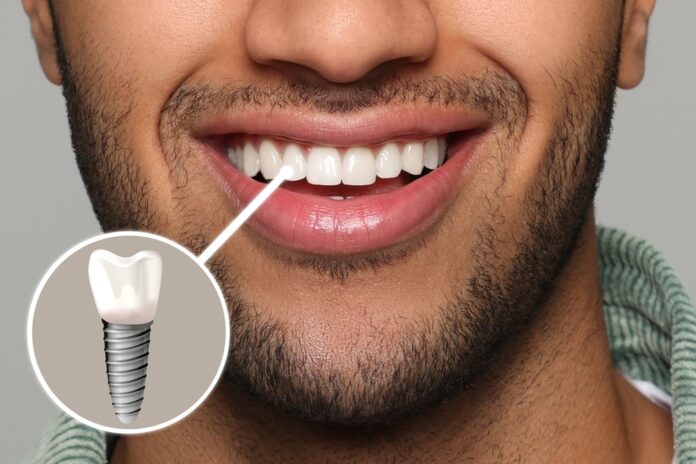
Dental implants are small titanium posts that act as artificial tooth roots. They’re surgically placed into your jawbone to support a replacement tooth, bridge, or even a full set of dentures. Once the implant fuses with the bone, a process called osseointegration, it provides a stable, permanent foundation for your new tooth.

Each implant is custom-restored with a natural-looking crown that blends seamlessly with your surrounding teeth.

Benefits of Dental Implants

Dental implants do more than just fill a gap in your smile; they help preserve your oral health and restore everyday confidence. Here’s why they’re considered the gold standard in tooth replacement:

  • 🦷 Permanent and durable: With proper care, implants can last a lifetime.
  • 💬 Natural appearance: Designed to match your existing teeth in color and shape.
  • 🍎 Improved function: Eat, speak, and smile with comfort and stability.
  • 🪴 Bone preservation: Prevents jawbone loss that often occurs after tooth loss.
  • 😊 Protects surrounding teeth: Unlike bridges, implants don’t rely on adjacent teeth for support.

Are Dental Implants Right for You?

Most healthy adults are candidates for dental implants. Ideal candidates have:

  • Healthy gums and good overall oral health
  • Enough bone density to support the implant
  • A commitment to proper oral hygiene and regular dental visits

If bone loss has occurred, additional procedures like bone grafting may be recommended to create a stable foundation for your implant.

The Implant Process: What to Expect

  1. Consultation & Planning: We’ll take detailed scans and discuss your goals.
  2. Placement: The implant post is placed in the jawbone under local anesthesia.
  3. Healing: The bone fuses to the implant over several months.
  4. Restoration: A custom crown or bridge is attached to complete your smile.

Our team at Bolding Dentistry makes every step comfortable and clearly explained, from your first consultation to your final restoration.

Caring for Your Dental Implants

Maintaining your implant is as simple as caring for your natural teeth. Brush twice daily, floss regularly, and keep up with professional cleanings. Avoid smoking and excessive grinding, as these can affect your implant’s success.

With good oral hygiene and routine checkups, your implant can serve you beautifully for decades.

Restore Your Smile with Confidence

Missing teeth don’t have to define your smile. Dental implants offer a long-term, natural solution that looks, feels, and functions just like your own teeth.

At Bolding Dentistry in Omaha, we’re here to help you regain your confidence and your bite — one implant at a time.

Ready to learn if dental implants are right for you?

Schedule a consultation with our team today.

Vitamin Water… Could it hurt your smile?

0
Vitamin Water Can Hurt Your Smile, Omaha Cosmetic Dentist, Dr. Bolding

Vitamin Water Can Hurt Your Smile, Omaha Cosmetic Dentist, Dr. Bolding

Is Vitamin Water Bad for Your Teeth?

Vitamin Water may sound like a healthy drink, but when it comes to your smile, it’s not as friendly as it seems. The combination of high sugar content and acidity can harm your teeth in two major ways: by feeding cavity‑causing bacteria and by wearing down enamel.

Why Vitamin Water Can Harm Your Teeth

1. High Sugar Content
Many Vitamin Water varieties contain significant added sugars. These sugars feed the bacteria in your mouth, producing acids that attack enamel and lead to cavities.

2. Acidic Formulation
Even sugar‑free versions often contain citric or ascorbic acid (vitamin C) for flavor and preservation. These acids lower your mouth’s pH and soften enamel, making it more vulnerable to erosion.

3. Double Threat
This combination of sugar and acid means Vitamin Water can cause decay and enamel wear at the same time—making it as risky for your teeth as soda or sports drinks.

How to Reduce the Risk

If you still choose to drink Vitamin Water occasionally, follow these tips to protect your smile:

  • Use a straw to limit contact with your teeth.
  • Rinse with plain water immediately afterward to help wash away sugar and neutralize acids.
  • Wait 30 minutes before brushing to avoid spreading softened enamel.
  • Limit how often you drink it—avoid sipping throughout the day.
  • Maintain good oral hygiene with fluoride toothpaste, daily flossing, and regular dental checkups.

Better Hydration Alternatives

Looking for a tooth‑friendly way to stay hydrated? Try:

  • Plain water — best for hydration and enamel protection.
  • Unflavored sparkling water — sugar‑free and lower in acid than sweetened drinks.
  • Milk or unsweetened herbal teas — gentle on enamel and low in acidity.

The Bottom Line

So, is Vitamin Water bad for your teeth?
Yes—it can be. The sugar and acidity can erode enamel, increase your risk of cavities, and dull your smile. While you can reduce the damage with smart drinking habits, your healthiest option is still plain water or other tooth‑friendly beverages.

Protect Your Smile with Bolding Dentistry
Want to know how your favorite drinks affect your teeth? Schedule a consultation with our friendly team at Bolding Dentistry. We’re here to help you keep your smile healthy and strong, no matter what’s in your glass.

When to Replace a Dental Filling

0
when to replace a dental filling

And Why a Crown Might Be the Better Solution

Knowing when to replace a dental filling is critical to a healthy smile.

It’s easy to assume that if a filling cracks, wears down, or falls out, the solution is just… another filling. But in many cases, a compromised filling is a red flag that your tooth needs stronger support, and the best long-term protection often comes in the form of a full-coverage dental crown.

So before you ask your dentist for a “quick filling fix,” here’s what you should know.

Fillings Don’t Last Forever, And Neither Does Tooth Structure

Dental fillings do a great job of restoring teeth after cavities, but they aren’t permanent. Over time, they break down due to daily wear, chewing forces, and even clenching or grinding. But here’s the real problem: by the time a filling needs to be replaced, the tooth around it may be compromised, too.

That means there’s often not enough healthy structure left to safely support another filling, especially if the original one was large. Trying to “patch” it again can lead to cracks, fractures, or even tooth loss down the road.

5 Signs When To Replace A Dental Filling

If you’re experiencing any of these issues, it’s a sign the restoration—and possibly the tooth itself—needs a more permanent solution:

1. Tooth Sensitivity or Pain

Pain when chewing or sensitivity to hot, cold, or sweet foods often means the tooth is exposed or inflamed beneath a broken filling.

2. Cracks or Rough Edges

Cracked fillings or teeth can’t be repaired with another filling. They need coverage to keep the tooth from splitting.

3. A Loose or Missing Filling

Once a filling falls out, the tooth is vulnerable to bacteria, decay, and structural damage.


4. Discoloration Around the Filling

Staining or dark areas near a filling could mean it’s leaking—or worse, hiding decay underneath.

5. Changes in Your Bite

If your bite feels off or your tooth feels “different” when chewing, the structural integrity may already be compromised.

Why Crowns Are Often the Right Solution

A dental crown is a full-coverage restoration that acts like a protective helmet for your tooth. Instead of filling a damaged area, a crown wraps around the entire tooth, restoring its shape, strength, and function.

When an old filling fails, especially a large one, it usually means the tooth has been weakened. In this case, placing another filling might just delay the inevitable. A crown, however, reinforces the tooth and can prevent cracks, sensitivity, and future root canals.

At Bolding Dentistry, we’re always focused on long-term solutions, not just quick fixes.

What to Expect When You Need a Crown

Getting a crown is a routine, comfortable process. Our team will remove the compromised filling and any weakened tooth material, reshape the tooth, and place a strong, natural-looking porcelain crown designed to last for years.

Many patients are surprised by how smooth the experience is—and how much better their tooth feels afterward.

Don’t Just Refill—Reinforce

If you’ve been told a filling needs to be replaced, it may be time to think about the bigger picture. A crown isn’t just a more durable solution—it’s an investment in your tooth’s health and your peace of mind.

Not sure whether your filling needs to be replaced or your tooth needs a crown? Schedule a visit with Dr. Bolding in Omaha. We’ll walk you through your options and help you choose the solution that’s right for your smile.

Instant Orthodontics: Transform Your Smile with Crowns and Veneers

0
Instant orthodontics with veneers and crowns - Bolding Dentistry

Are you looking for a straighter, more confident smile but don’t want to spend years in braces or aligners? Instant orthodontics with crowns and veneers offers a fast and effective solution for correcting misaligned, uneven, or damaged teeth. At Bolding Dentistry, Omaha’s trusted cosmetic dentist, we specialize in helping patients achieve their dream smiles with these advanced dental treatments.

What Is Instant Orthodontics?

Instant orthodontics is a cosmetic dental technique that uses dental crowns and porcelain veneers to quickly correct issues such as misalignment, gaps, and uneven teeth. Unlike traditional braces or clear aligners, which take months or years to shift teeth into place, instant orthodontics provides an immediate transformation—often in just two visits.

Crowns vs. Veneers: What’s the Difference?

  • Dental Crowns: Custom-made restorations that cover the entire tooth, providing strength, durability, and an improved appearance. Crowns are ideal for teeth that are severely misaligned, damaged, or weakened.
  • Porcelain Veneers: Thin shells of porcelain that are bonded to the front surface of teeth. Veneers are perfect for correcting minor misalignment, gaps, discoloration, or uneven shapes while maintaining most of the natural tooth structure.

Who Is a Good Candidate for Instant Orthodontics?

If you have:

  • Crooked or uneven teeth but don’t want braces
  • Gaps between teeth
  • Chipped, worn, or discolored teeth
  • Misshapen teeth that affect your smile

Then crowns and veneers may be the perfect alternative to traditional orthodontics.

Benefits of Instant Orthodontics

  • Fast Results: Achieve a straight, symmetrical smile in just a few weeks.
  • Natural Appearance: Custom-designed to match the color, size, and shape of your natural teeth.
  • Durability: High-quality materials provide long-lasting results.
  • Minimally Invasive: Requires little to no downtime compared to traditional orthodontics.
  • Improved Confidence: Enjoy a picture-perfect smile without metal brackets or aligners.

The Instant Orthodontics Process at Bolding Dentistry

  1. Consultation & Smile Assessment: Our experienced cosmetic dentists will evaluate your smile and discuss your goals.
  2. Custom Treatment Plan: We’ll determine whether crowns, veneers, or a combination of both is best for your unique needs.
  3. Tooth Preparation & Impressions: A small amount of enamel may be removed (for veneers) or reshaped (for crowns), and we’ll take digital impressions for precision.
  4. Final Placement: Once your custom restorations are ready, they are bonded securely to your teeth, instantly transforming your smile!

Why Choose Bolding Dentistry in Omaha?

At Bolding Dentistry, we are committed to providing top-tier cosmetic dentistry with the latest technology and techniques. Our patients love the personalized care, comfortable environment, and outstanding results we deliver. Whether you want a subtle enhancement or a dramatic smile makeover, our team is here to help.

Schedule Your Consultation Today!

Ready to achieve a stunning smile with instant orthodontics? Contact Bolding Dentistry today to schedule your consultation and discover how crowns and veneers can give you the confident, beautiful smile you’ve always wanted!

📞 Call us at (402) 393-4400

When to Consider Veneers: A Guide to Transforming Your Smile in Omaha, NE

0
when to get veneers in Omaha, Nebraska

If you’ve ever wished for a brighter, more even smile, veneers might be the perfect solution. At Bolding Dentistry in Omaha, Nebraska, we help patients achieve the smiles of their dreams with custom porcelain veneers. But how do you know if veneers are right for you? Let’s explore when you should consider this transformative cosmetic dentistry treatment.

What Are Veneers?

Veneers are thin, custom-made porcelain shells designed to cover the front surface of your teeth. They provide a natural appearance while improving the shape, size, and color of your smile. Whether you have minor imperfections or significant cosmetic concerns, veneers can offer a long-lasting, beautiful solution.

Signs You Should Consider Veneers

1. You Have Stained or Discolored Teeth

If teeth whitening treatments haven’t given you the results you want, veneers provide a permanent solution for stubborn stains caused by coffee, wine, smoking, or certain medications.

2. You Have Chipped or Cracked Teeth

Accidents, grinding, or regular wear and tear can cause small chips and cracks in your teeth. Veneers effectively cover these imperfections, restoring the strength and appearance of your smile.

3. You Want to Close Small Gaps Between Teeth- “Instant Orthodontics”

Minor gaps between teeth can often be corrected with orthodontics, but veneers offer a quicker, more aesthetic solution without the need for braces or aligners. Veneers offer a way to achieve “instant orthodontics” by closing space once the veneers are bonded.

4. Your Teeth Are Worn Down

Years of grinding or chewing on hard foods can wear down your enamel, making your teeth appear shorter or uneven. Veneers help rebuild a balanced, youthful smile.

5. You Have Misshapen or Uneven Teeth

Some people naturally have teeth that are uneven, irregularly shaped, or slightly misaligned. Veneers provide a symmetrical, polished look that enhances your overall appearance.

6. You Want a More Confident Smile

If you feel self-conscious about your teeth, veneers can be a game-changer for your confidence. With a brighter, more even smile, you’ll be ready to show off your teeth without hesitation.

What to Expect When Getting Veneers at Bolding Dentistry

At Bolding Dentistry in Omaha, our veneer process is customized to your unique needs. Here’s what you can expect:

  • Consultation: We’ll discuss your goals and examine your teeth to determine if veneers are the best option.
  • Preparation: A small amount of enamel is removed to ensure a natural fit for your veneers.
  • Impressions: We take precise impressions to create custom veneers that match your ideal smile.
  • Placement: Once your veneers are ready, they’ll be bonded to your teeth for a strong, seamless look.

Are Veneers Right for You?

If you’re considering veneers in Omaha, NE, Bolding Dentistry is here to help! Our experienced team will guide you through the process and ensure you achieve a smile you love.

Ready to transform your smile? Schedule a consultation today and discover how veneers can enhance your confidence and appearance.

📍 Bolding Dentistry – Omaha, NE 📞 Call us today to book your appointment!


Easy Ways To Prevent Acid Wear on Teeth

0

Acid wear on teeth, also known as dental erosion, is a common issue that many patients experience. This occurs when tooth enamel, the protective outer layer of your teeth, is worn away by exposure to acidic substances. Without proper care, acid wear can lead to sensitivity, discoloration, and even pitted or worn teeth.

Surprisingly, many everyday foods and beverages contribute to acid wear on teeth—even those marketed as “healthy” options. Popular culprits include citrus fruits, sparkling water, post-workout sports drinks, and even your morning lemon water. Over time, frequent exposure to these acids can take a toll on your smile.

What Is Acid Wear and Why Is It Important to Prevent?

Enamel doesn’t regenerate, so once it’s eroded, your teeth are more vulnerable to cavities, sensitivity, and further damage. Recognizing the signs early and taking preventive steps can help protect your smile for years to come.

Simple Steps to Prevent Acid Wear on Teeth

The good news? There are easy ways to protect your enamel and prevent acid erosion:

1. Limit Sugary or Acidic Beverages

Drinks like soda, energy drinks, and citrus juices are highly acidic. If you enjoy these beverages, try to use a straw to minimize contact with your teeth and rinse your mouth with water afterward.

2. Neutralize Acids with Dairy Products

Consuming milk, cheese, or other dairy products after acidic foods can help neutralize acids and protect your enamel.

3. Wait Before Brushing

After eating or drinking something acidic, your enamel temporarily softens. Brushing too soon can cause further damage. Wait at least an hour before brushing your teeth.

4. Choose Enamel-Friendly Alternatives

Opt for water, herbal teas, or beverages labeled as low in acidity. These are less likely to harm your enamel and still keep you hydrated.

5. Stay on Top of Dental Checkups

Regular visits to your dentist can help detect early signs of acid wear. Our team can provide personalized advice and treatment to protect your enamel.

How We Can Help

At our office, we’re here to help you maintain a healthy, strong smile. During your checkup, we can evaluate the condition of your enamel, offer tailored advice, and recommend treatments to strengthen and protect your teeth.

Your smile is worth protecting—start taking steps today to prevent acid wear on teeth!

If you’re concerned about acid wear or notice increased sensitivity, don’t wait. Contact us to schedule an appointment and let our team help safeguard your enamel and overall oral health.

Signs of Acid Reflux on Teeth and How to Protect Your Smile

0
signs of acid reflux on teeth

Acid reflux is a common digestive condition that can cause uncomfortable symptoms like heartburn and regurgitation. However, one of its lesser-known effects is the toll it can take on your dental health. Many people with acid reflux, also known as gastroesophageal reflux disease (GERD), may experience symptoms that impact their teeth over time. In this article, we’ll explore how acid reflux affects your smile, the signs to watch for, and what you can do to protect your teeth.

How Acid Reflux Affects Your Teeth

When acid reflux occurs, stomach acids make their way up into the esophagus and sometimes even the mouth. These acids can wear down the enamel—the protective layer on your teeth. Unlike other parts of the body, enamel doesn’t regenerate, so once it’s eroded, it’s gone for good. This erosion can lead to increased sensitivity, higher risk of cavities, and even noticeable changes in the appearance of your teeth.

Common Signs of Acid Reflux Damage on Teeth

If you have acid reflux, it’s important to monitor your teeth for signs of damage. Here are some indicators that acid reflux may be affecting your dental health:

  1. Tooth Sensitivity 

If you notice a sudden increase in sensitivity to hot, cold, or sweet foods, it could be due to enamel erosion from acid exposure. This sensitivity can make eating or drinking uncomfortable, impacting your daily life.

  1. Discoloration

Enamel erosion can cause the teeth to take on a yellowish hue as the dentin underneath becomes more visible. This discoloration isn’t simply a cosmetic issue; it’s often a sign of significant enamel loss.

  1. Thinning or Transparent Edges

Acid exposure can lead to a gradual thinning of the enamel. Over time, the edges of the front teeth may appear transparent, a sign that the protective enamel layer is wearing away.

  1. Increased Risk of Cavities  

With weakened enamel, teeth become more susceptible to cavities. This can result in more frequent fillings, crowns, or even extractions if not addressed promptly.

  1. Flattened or Worn Teeth

Stomach acids can make your teeth appear worn or flattened. This is especially common in people who grind their teeth, as the combination of grinding and acid erosion accelerates wear.

  1. Bad Breath  

GERD often causes bad breath due to acid traveling up the esophagus. This chronic issue can also lead to dry mouth, which contributes to further enamel erosion and increases the risk of bacterial buildup.

Protecting Your Teeth from Acid Reflux Damage

While acid reflux may not always be avoidable, there are several steps you can take to protect your teeth:

  1. Rinse After Reflux Episodes

Avoid brushing immediately after an acid reflux episode, as the enamel is more vulnerable. Instead, rinse your mouth with water or a fluoride rinse to help neutralize the acid.

  1. Use a Fluoride Toothpaste

Strengthen your enamel by using a fluoride toothpaste. This can help prevent further erosion and sensitivity.

  1. Limit Acidic Foods and Drinks 

Avoid or reduce the intake of acidic foods and beverages, such as soda, citrus, and wine, which can exacerbate enamel erosion.

  1. Chew Sugar-Free Gum

Chewing sugar-free gum can help stimulate saliva production, which naturally neutralizes acids and helps protect your enamel.

  1. Seek Treatment for GERD

Managing acid reflux with lifestyle changes and medication can reduce its impact on your dental health. Consult your doctor to explore options that can keep reflux under control.

When to See Your Dentist

If you experience any of these signs or suspect that acid reflux may be affecting your teeth, make an appointment with your dentist. Regular check-ups can help catch enamel erosion early, and your dentist can offer treatments like fluoride varnishes, bonding, or sealants to protect your teeth.

Essential Tips for Managing Dry Mouth and Maintaining Oral Health

0
Essential Tips for Managing Dry Mouth and Maintaining Oral Health

Taking care of your teeth and gums is especially crucial if you have health conditions like diabetes or heart disease, or if you’re on medications that can lead to oral health issues. One common problem many face is dry mouth, also known as xerostomia. This condition can result from hundreds of medications, both prescription and over-the-counter, that decrease saliva production.

The Risks of Dry Mouth

If left untreated, dry mouth can make you more susceptible to tooth decay, gum disease, and other dental problems. Saliva plays a vital role in maintaining oral health, so when its production decreases, your mouth becomes a breeding ground for bacteria, leading to various complications.

Managing Dry Mouth

While there isn’t a miracle cure for dry mouth, there are several effective strategies to reduce your risk and manage the symptoms. Here are some tips to keep in mind:

  1. Practice Good Oral Hygiene: Regular brushing and flossing are crucial to maintaining dental health.
  2. Visit Your Dentist Regularly: Schedule cleanings and exams to keep your teeth in top shape. Your dentist may recommend adult fluoride treatments every six months for added protection against decay.
  3. Try Home Remedies:
  • Chew sugarless gum to stimulate saliva production.
  • Suck on ice cubes or sugarless ice pops to keep your mouth moist.
  • Use mouthwashes specifically formulated for dry mouth, such as Biotene®.
  • Avoid decongestants and antihistamines whenever possible, as they can worsen symptoms.
  • Sip water before swallowing capsules or tablets to help moisten your mouth.
  • If taking medications that cause dry mouth, do so in the morning to minimize nighttime issues, which can lead to cavities.
  • Keep lip balm handy to prevent dry lips.
  • Stay hydrated by drinking plenty of water throughout the day.

Incorporating Technology for Oral Care

For those seeking advanced solutions, consider investing in a state-of-the-art electric toothbrush. We offer the Oral-B iO Electric Rechargeable Toothbrush with replaceable heads at our office for our patients’ convenience. This high-tech tool can enhance your oral care routine, making it easier to maintain healthy teeth and gums.
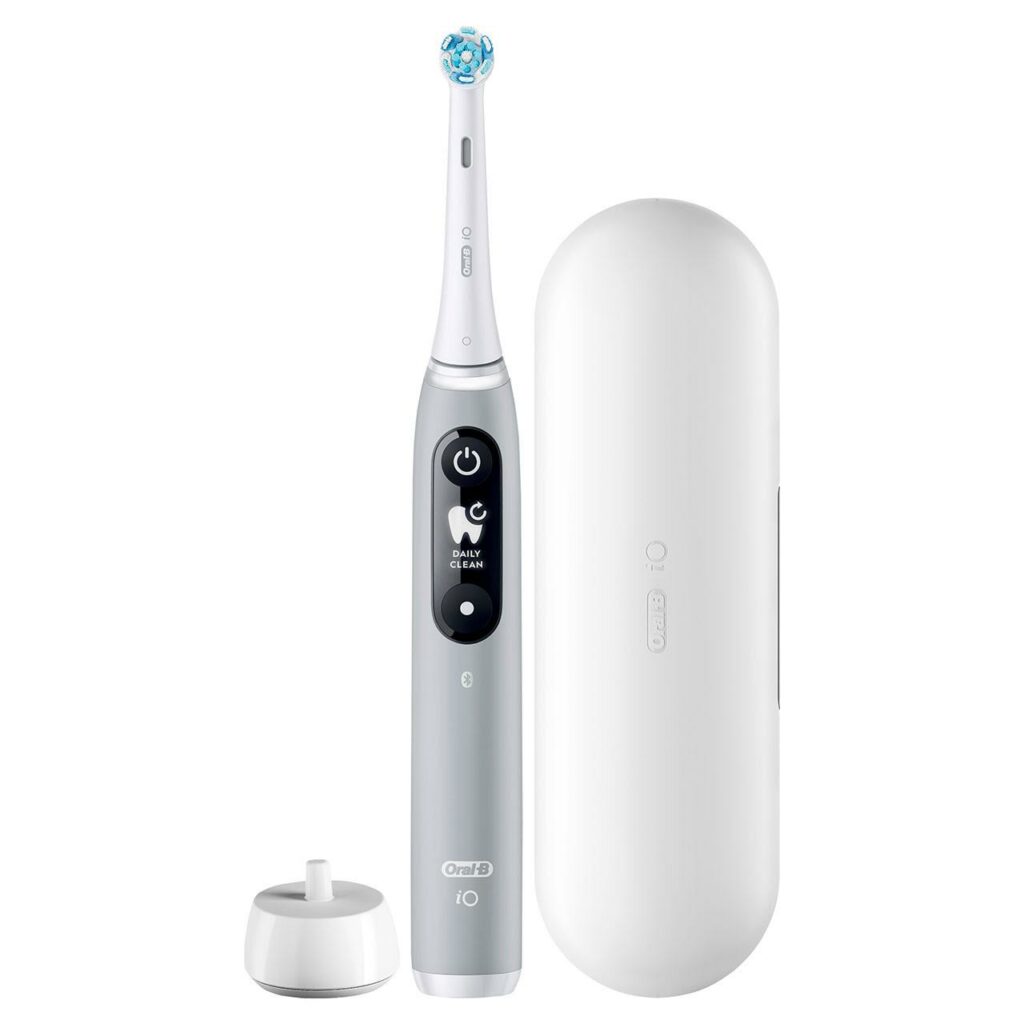
Electronic Toothbrush for Optimital Oral Health and To Prevent Dry Mouth

Managing dry mouth is essential for your overall oral health. By following these tips and incorporating regular dental visits into your routine, you can reduce your risk of dental issues and enjoy a healthier smile. Remember, taking proactive steps is key to maintaining your oral health and well-being!